
Emotional Regulation in Practice

Sequence 1 – Observe and Recognise Your Emotions
Before you can regulate an emotion, you first need to notice it and name it.
This is the first step — and often the most neglected one.
Many people confuse:
reacting to an emotion, and
being aware of what they feel.
Regulation doesn’t begin when you calm your emotion, but when you become aware that it is there..
1. Why it’s essential to observe before acting
An unrecognised emotion acts like an inner shadow:
you think you're hiding it, but it influences everything — your tone of voice, your gestures, your thoughts.
Observing it is already regulating it a little: what you accept to face loses some of its power over you.
Psychologists call this emotional awareness: the ability to notice what is happening within you as it happens.
Observing your body means listening to your internal alarm system
3. Identifying and naming what you feel
Saying “I feel bad” doesn’t help you understand what’s going on.
But when you add detail — for example, “I feel frustrated because I feel ignored” — you identify the real message of your emotion.
This is what we call putting words on what we feel.
Neuroscience research shows that naming an emotion reduces its intensity, because it calms the amygdala, the brain area linked to emotional reactions.
Putting a word on your emotion is already the beginning of regulating it.
4. Distinguishing the situation, the thought, and the emotion
Many people confuse what happened, what they think, and what they feel. Learning to distinguish these three elements helps your brain clarify the situation.
Example:
Situation: My friend hasn’t replied since yesterday.
Thought: She’s surely ignoring me.
Emotion: Sadness and anger.
In reality, the situation doesn’t directly create the emotion; it is your interpretation that triggers it. And it’s precisely on that interpretation that you can learn to act in order to regulate.

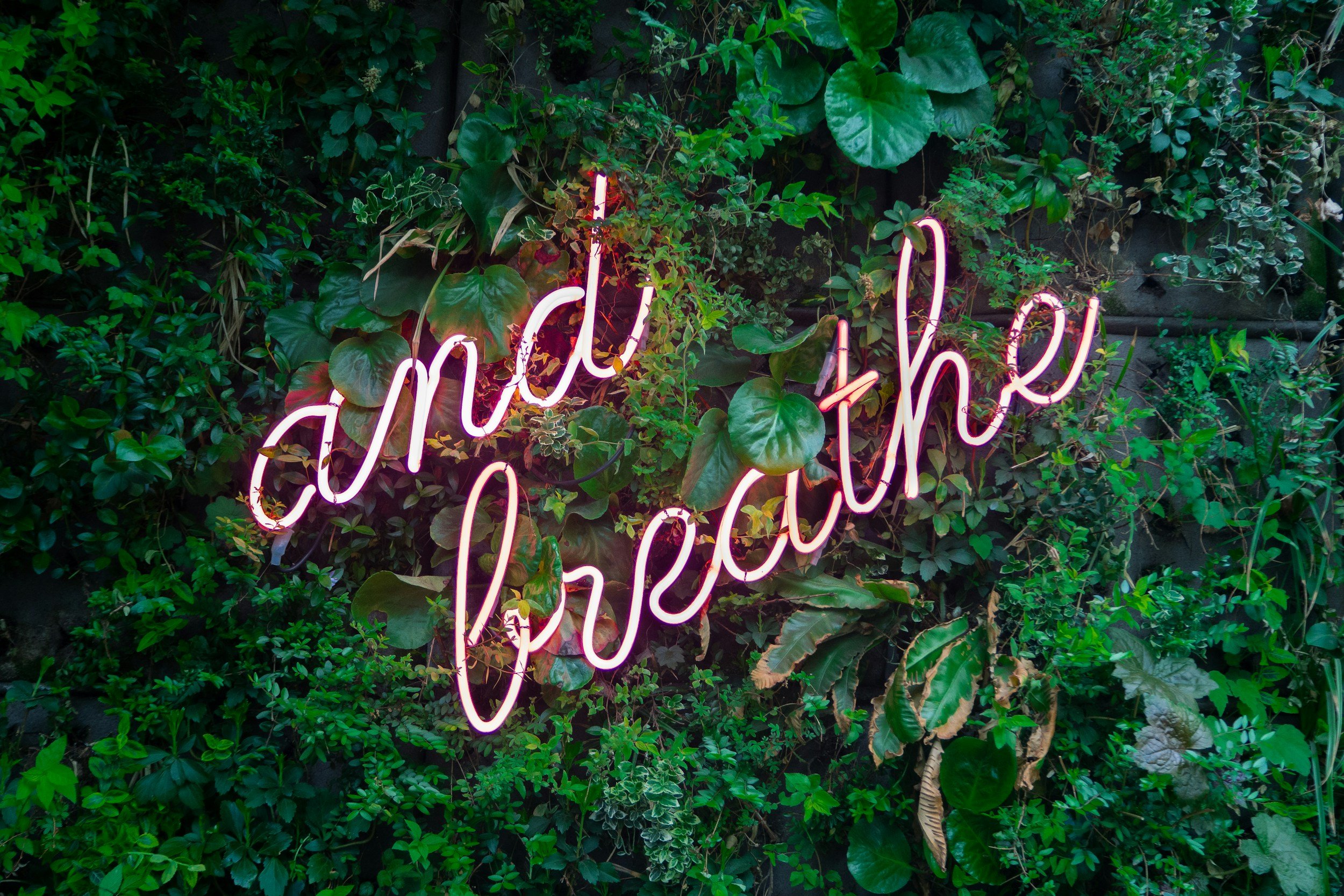
5. The practical tool: the “S.O.N.” Pause
Before reacting to an emotion, practise taking an inner pause of a few seconds.
It’s a simple mini-ritual you can repeat anywhere.
S.O.N. =
Stop → pause, breathe.
Observe → what you feel in your body and your thoughts.
Name → the precise emotion.
Example:
“I sense that I’m getting irritated (S).”
“My hands are tense; I think someone is disrespecting me (O).”
“It’s anger, not just tiredness (N).”
This few-second pause changes everything: it helps you regain control over your reaction.
In summary:
Before trying to calm your emotion, start by observing it.
Before trying to “control” it, learn to name it.
What you recognise becomes understandable.
What you understand becomes manageable.

SEQUENCE 2 – Welcoming Without Judging
Many people believe that to manage an emotion, you must stop it right away.
In reality, it’s often the opposite: the more you try to push an emotion away, the more it clings.
Regulation begins with a simple but powerful act: accepting that the emotion is there. Welcoming it doesn’t mean you like it or approve of it.
It simply means:
“I acknowledge what I’m feeling, and I allow myself to feel it for a moment.”
1. Why is it so difficult to accept an emotion?
Our automatic reactions to an unpleasant emotion are often:
Avoidance (I distract myself, change the subject),
Suppression (I pretend it’s not happening),
Guilt (“I shouldn’t be feeling this”).
But refusing an emotion doesn’t make it disappear. It hides, then reappears later as tiredness, irritation, or unexplained sadness.
Learning to welcome it means letting your brain and body move through the emotional wave instead of trying to block it.
2. Welcoming means tolerating discomfort for a moment
An emotion — even a strong one — has a limited duration.
Studies show that an intense emotional reaction rarely lasts more than 90 seconds, unless you keep it going with your thoughts.
If you stay present with what you feel without resisting it, your body calms down faster.
Example:
You feel hurt after a remark.
Instead of thinking “I shouldn’t be so sensitive,” you observe: “My throat feels tight; I’m hurting because I wanted to feel understood.”
You welcome it, you breathe, you let it pass.
This is emotional acceptance: feeling without judging yourself.
3. Simple Calm Exercise
-
Sit down quietly, without any distractions.
Observe what you feel in your body: tension, warmth, a lump in your throat, a fast heartbeat.
Don’t try to analyse or explain it — just notice it.
Ask yourself: “What exactly am I feeling right now?”
-
Breathe calmly, without trying to make the emotion disappear.
Simply tell yourself: “I can handle what I’m feeling.”
The goal isn’t to push the emotion away, but to let your body express it without letting it take over everything.
Tell yourself: “I can get through this — it’s not going to control me.”
-
When the intensity starts to go down, put simple words on your experience:
“I feel angry.” “I feel sad.” “I’m scared.”
You can also write it down or say it quietly to yourself.
Research shows that naming an emotion helps regulate it, because it reduces its intensity in the brain.
4. What your brain learns when you welcome an emotion
When you welcome an emotion instead of running away from it:
your amygdala becomes less active,
your prefrontal cortex takes back control,
your parasympathetic system (the calming system) activates.
In other words: you interrupt the automatic stress-and-reaction mechanism.
And the more you practise, the more natural this habit becomes.
In conclusion
You’ve just completed a full journey on emotional regulation — this inner skill that helps you experience your emotions without letting them take over. You’ve discovered that:
emotions are natural responses from your body and brain, not weaknesses;
regulating them means choosing how you respond instead of just reacting;
your brain and body can learn to work together to find calm again;
you can act on different levels: your attention, your thoughts, your body, your choices;
and your ability to regulate depends on your history, your environment, and your daily practice.
When you learn to regulate your emotions:
you make better decisions,
you protect your relationships,
you grow in confidence,
and you stay grounded even in tense situations.
You don’t erase your emotions — you listen to them wisely. This is what we call inner balance: that steady calm that lets you stay present with yourself without being carried away by everything you feel.
Emotional regulation is not:
becoming “cold” or “insensitive”,
staying calm no matter what,
pushing down what you feel,
or trying to please everyone.
It’s learning to stay yourself — but a more aware version of yourself — and choosing the best response instead of the fastest one.
To keep progressing:
keep observing your emotions every day,
notice what you feel and how you respond,
adjust your personal plan whenever you discover a new strategy that works for you,
and most importantly: celebrate every small step.
Each time you choose to breathe, to pause, to reframe, to listen, or to express yourself differently, you strengthen the teamwork between your brain and your heart.