
What does it mean to regulate your emotions?

Learn to recognise how you regulate your emotions
Objective:
Discover your own way of regulating your emotions: noticing when you feel them, how you react, and what you could do to keep your balance without ignoring them.
Observe an emotion that you’ve recently experienced
Step 5: Practise conscious regulation
Read the instruction on the right, then do the exercise without writing anything down.
Close your eyes. Think back to a recent strong emotion.
Take three deep breaths. Notice what you feel, without trying to change it.
Then ask yourself:
“How can I respond to this emotion without hurting myself or someone else?”
This simple exercise teaches you to create a little “space” between what you feel and what you do — and that’s at the heart of emotional regulation.
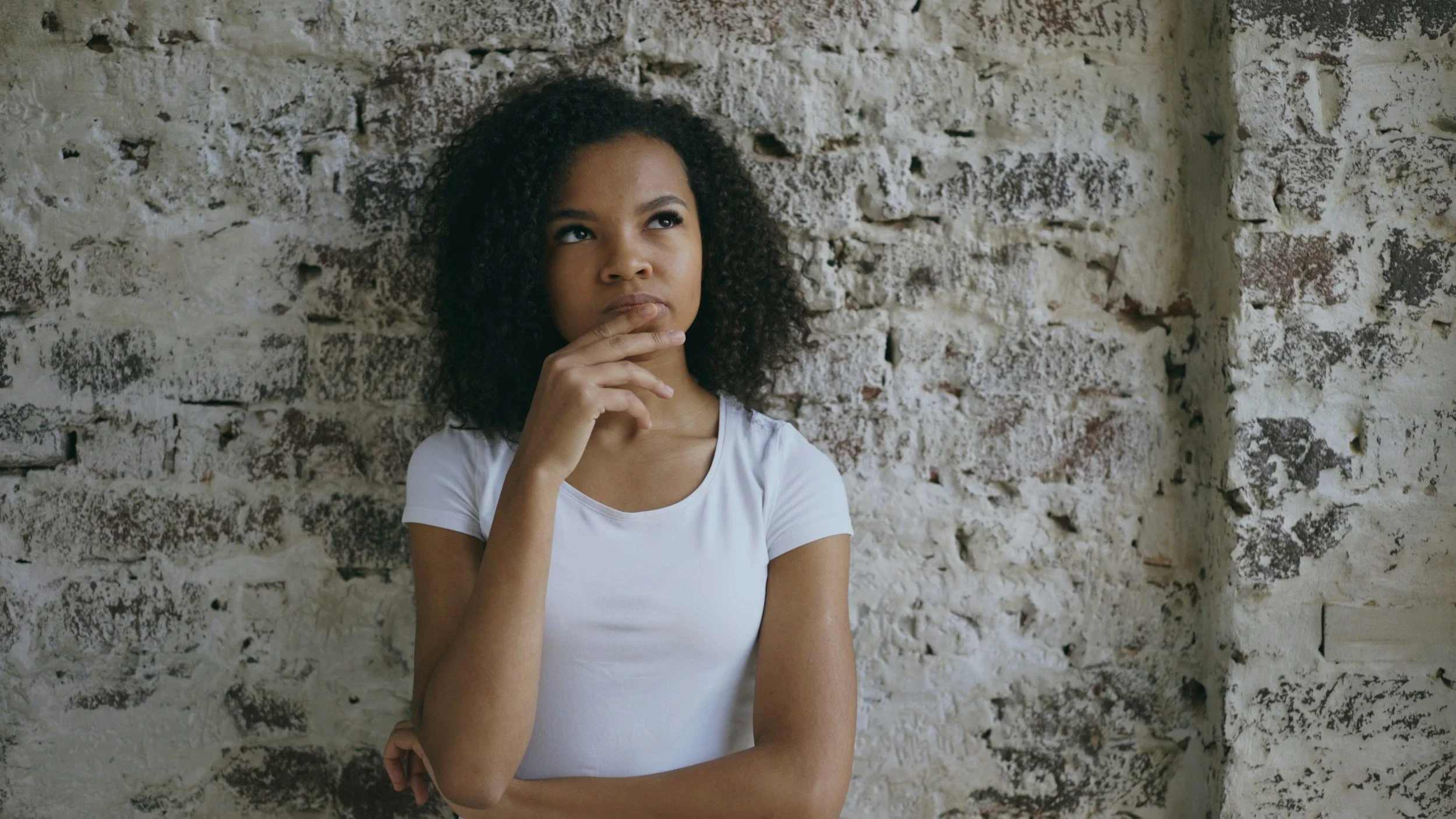
““Every moment of awareness is a seed for change.””
Step 6: My final reflection
-
Try to think back to a specific moment:
How does your body, your thoughts, or your attitude change when an emotion runs through you?
Did you notice an automatic reaction, a habit, or a pattern you’d like to understand better?
-
Imagine a real situation where your emotions rise quickly.
Picture yourself breathing, taking a pause, or choosing a different response.
How might that change what happens next?
-
Think of one simple gesture you can repeat each day:
breathing before you speak, writing before reacting, or stepping back for a few seconds before responding.
Feel that this small action is already a form of self-mastery.
Take a few moments to think quietly about what you’ve just discovered.
In conclusion
To regulate an emotion is to give yourself the choice between reacting and being carried away.
Every breath, every pause, every word you hold back or choose consciously strengthens your inner freedom.
This is how you learn to know yourself, to respect yourself, and to build fairer, healthier relationships — this is the beginning of true emotional strength.
Now you know what emotional regulation really is:
a mental and physical skill that allows you to influence the way you feel and respond.
In the next lesson, you’ll discover how your brain does this — which areas work together, why it can feel harder at your age, and how this skill can be learned step by step.