

Be who God meant you to be and you will set the world on fire.
A few words before you begin
This programme of microlearning is not an academic publication but a personal development resource. For this reason, and to avoid unnecessary distraction, I have chosen not to include formal references. You can rest assured, however, that the content draws on a wide range of well-established psychological and educational principles that have been studied and tested over many years.
This approach keeps the material clear, accessible, and practical for learners of different ages and backgrounds. I invite you to approach these lessons as tools for personal growth and reflection rather than as academic studies.
Self-Awareness
-

What Is Self-Awareness?
This micro-learning helps you understand what self-awareness is, how it arises in your brain and life experience, and why it’s essential. You’ll discover the difference between internal and external self-awareness, as well as the role this skill plays in your daily life, relationships, and personal growth.
-

Self-Image and Self-Concept
This micro-learning helps you understand what the self-concept is, how it develops through your experiences and in your brain, and why it shapes the way you see yourself. You’ll discover the difference between the real self, the ideal self, and the perceived self, as well as the role self-image plays in your self-esteem, your relationships, and your inner growth.
-

Emotions and Thoughts
This micro-learning helps you observe your emotions and thoughts without judging yourself. You’ll explore how each emotion carries a message, how your thoughts influence the way you feel, and how to create inner space so you can choose your response instead of reacting automatically. It’s a key step toward a more conscious and peaceful emotional intelligence.
-

Obstacles to Self-Awareness
This micro-learning helps you spot the invisible filters that blur the way you see yourself. By exploring the psychological mechanisms that block self-awareness — like denial, comparison, or fear of judgment — you’ll learn to recognise these obstacles and develop a kind, clear way of understanding yourself
-

Developing Healthy Self-Awareness
This micro-learning helps you build healthy self-awareness by observing yourself, reflecting honestly, and staying aligned with your values. You’ll learn to understand yourself without self-judgment, so you can grow, evolve, and feel more in tune with who you truly are.
Emotionnal Regulation
-

What Is an Emotion?
This micro-learning helps you understand what an emotion is, how it starts in your brain and body, and why it matters. You’ll discover the difference between an emotion, a feeling and a mood, as well as the role emotions play in your daily life, your relationships and your personal growth.
-

What Does It Mean To Regulate Your Emotions?
This micro-learning helps you understand what an emotion is, how it arises in your brain and body, and why it matters. You’ll discover the difference between an emotion, a feeling, and a mood, as well as the role emotions play in your daily life, your relationships, and your personal growth.
-

What Happens in Your Brain When You Regulate Your Emotions
This micro-learning explains how your brain and body work together to help you manage what you feel. You’ll discover the role of the amygdala, the prefrontal cortex, and the nervous system — and you’ll understand why emotional regulation is harder at your age… but still completely possible.
-
The Main Processes of Emotional Regulation
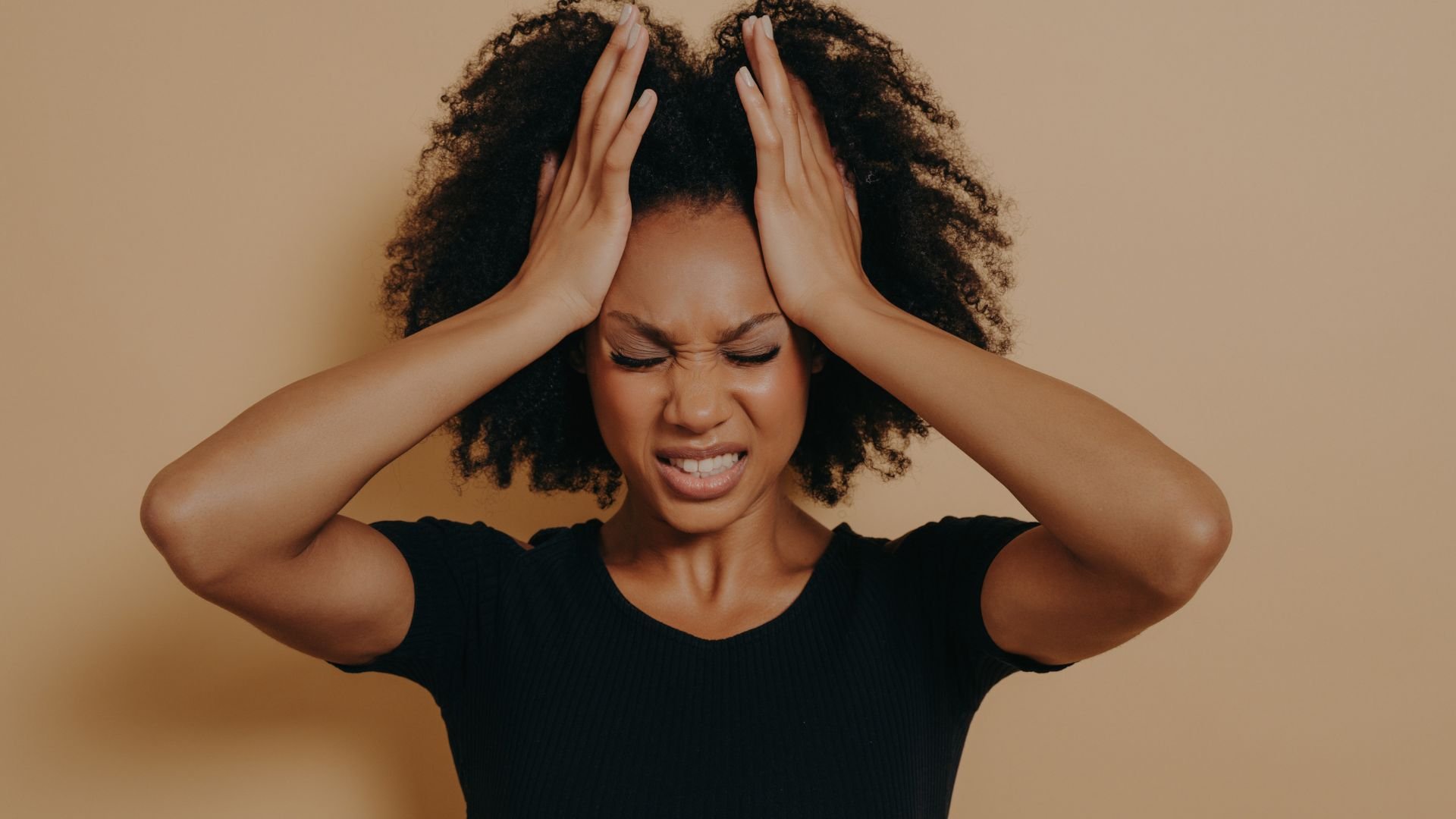
This micro-learning helps you understand the cycle of an emotion and the different moments where you can step in to manage it better. You’ll discover concrete strategies to act before, during, or after the emotion, and to develop regulation that is more flexible, more conscious, and more effective.
-

Where Does Your Ability To Regulate Your Emotions Come From?
This micro-learning explains why some people manage their emotions better than others. You’ll discover the biological, family, social and cultural factors that influence how you regulate your emotions, and you’ll understand how this skill develops, can be learned, and can be strengthened throughout your life.
-

Emotional Regulation in Practice
In this micro-learning, you’ll discover how emotional regulation actually works in real life, helping you notice your emotions early, understand what happens inside you, welcome what you feel without judgement, and pause before reacting. You’ll learn to name your emotions, separate facts from thoughts, and use simple tools like the S.O.N. Pause to respond with clarity and calm.
Stress Management
-

What Is Stress?
This micro-learning will help you understand what stress is and how it works. You’ll discover how it shows up in your body and brain, the role of adrenaline and cortisol, and the different phases of the stress response.
-

Types Of Stress
This micro-learning introduces you to the four main types of stress — acute, chronic, eustress and distress — to help you understand how they show up, how they affect you, and why some support you while others drain you.
-

Understanding How Your Body Reacts to Stress
This micro-learning will help you understand what happens in your body when you’re stressed. You’ll discover the three phases of stress — alarm, resistance, and exhaustion — and learn to recognise their physical, emotional, and mental effects.
-
Stress Auto-Evaluation
This self-assessment will help you put words on what you’re really feeling: what stresses you, what triggers your reactions, what your body shows, and the thoughts that come with it.
-
How to Avoid Stress
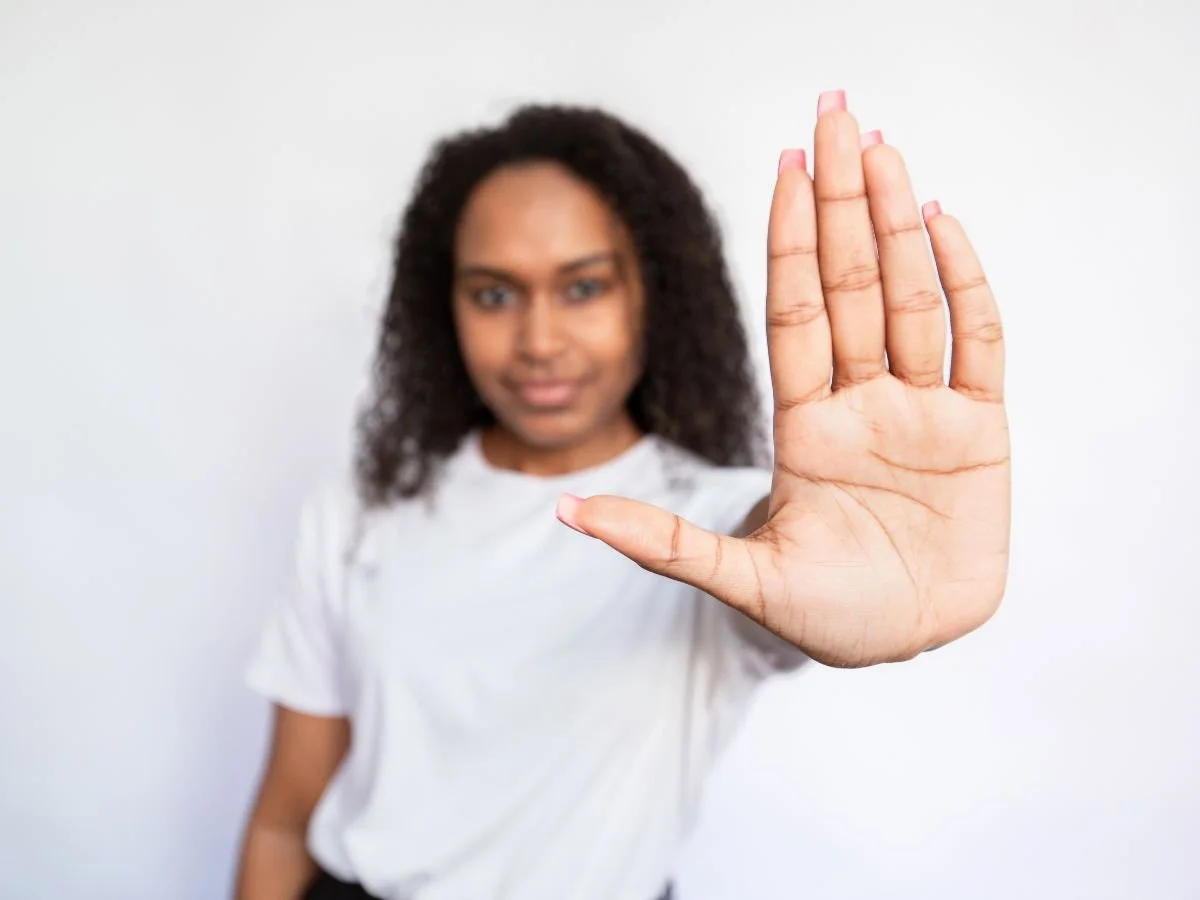
You cannot avoid stress but this micro-learning helps you understand how to reduce the impact of stress in your daily life. You’ll discover how to step away from toxic environments, change the way you look at certain situations, recognise what triggers your stress, and learn to respond with more clarity and calm.
-

How to Manage Stress
This micro-learning teaches you how to respond in a healthy way when you feel stressed. You’ll discover the difference between healthy and unhealthy strategies, three essential attitudes for managing stress better, and concrete examples to help you choose responses that build you up instead of draining you.