
Emotional Regulation
Distinguish between emotion, feeling and mood
People often use the words emotion, feeling, and mood as if they mean the same thing.
They are related, but they are not identical. Knowing the difference matters here.

Emotion — the body’s first reaction
An emotion is your body’s immediate response to something that matters.
It happens quickly and automatically.
Your heart rate shifts.
Your muscles tense.
Your breathing changes.
Emotions are short-lived, they may last a few seconds or a few minutes, unless they are continually triggered again.
Examples: anger, fear, sadness, joy, disgust, surprise.
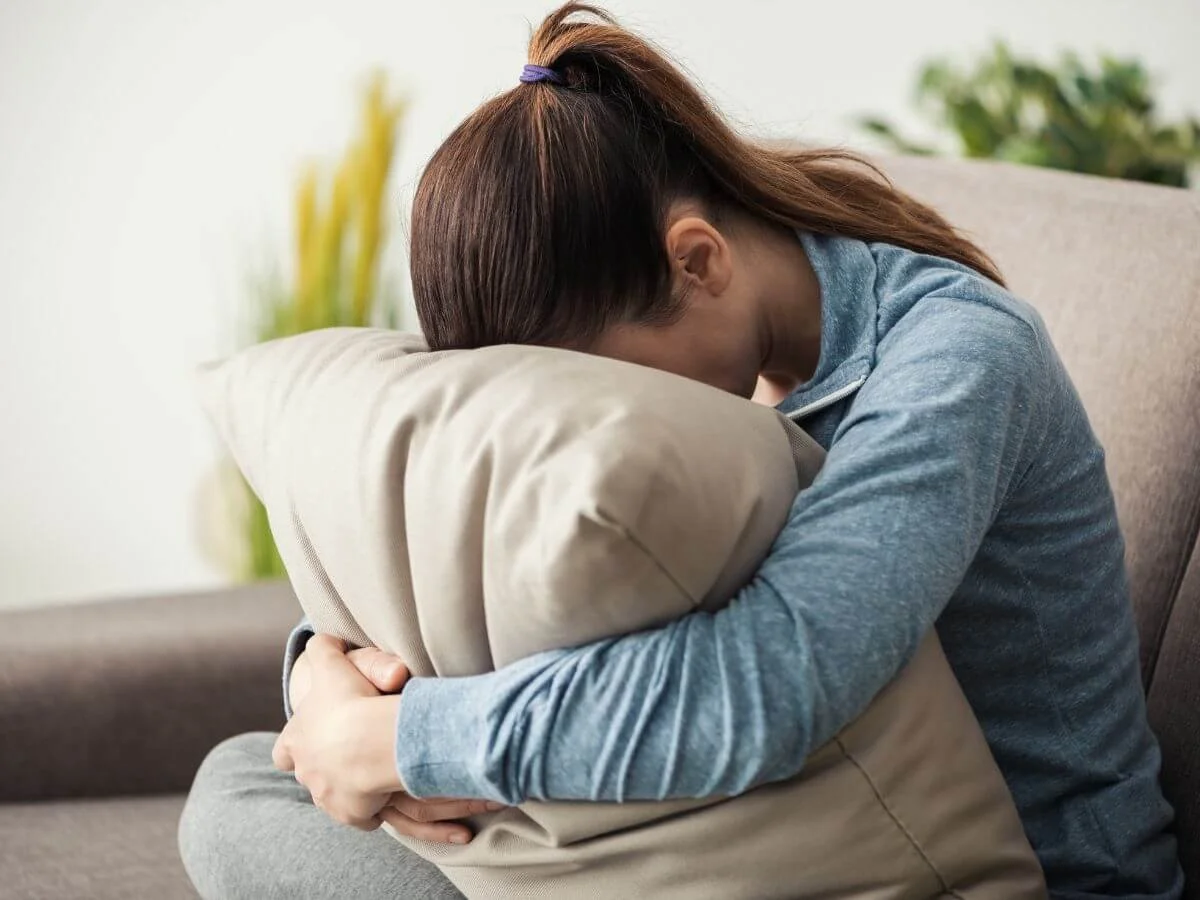
Feeling — your awareness of the emotion
A feeling begins when you notice the emotion and interpret it.
For example:
An event triggers anger — that is the emotion.
You recognise it and say, “I feel angry” — that is the feeling.
Feelings last longer than emotions because they are influenced by how you think about what happened.
If you keep replaying the event in your mind, the feeling can continue and last as long you continue.

Mood — the emotional tone that stays with you
A mood is a more general emotional state.
It often develops when emotions and feelings linger over time.
A mood can last hours or even days and can colour how you interpret everything around you.
For example:
A sharp comment triggers anger (emotion).
You feel irritated as you replay it (feeling).
If it stays with you and affects the rest of your day, it becomes a mood.
Emotional regulation begins with recognising where you are in this process.
If you can recognise the emotion early, you have a much greater chance of choosing your response wisely.
When an emotion has already become a mood, your clarity and freedom to act intentionally are harder to recover.
Scripture says, “Keep your heart with all vigilance, for from it flow the springs of life.” (Proverbs 4:23)
Awareness protects your heart.
Quick question
When something upsets you, do you notice the emotion early, or do you only become aware of it after it has already shaped your mood?
Closing reflection
Complete:
When I feel ________, I usually ________.
This affects my relationships/work/apostolate by ________.
If I do not address this pattern, the long-term consequence will be ________.
This week I will practise ________.
Commitment
Read slowly:
“I choose not to be ruled by my emotions.
I choose to examine them before reacting.
I choose to endure discomfort when necessary.
I choose to strengthen my character through repetition.
So that my daily life reflects that I truly am a disciple of Jesus Christ”

Capacity-building practice (next 30 days)
Daily Naming (2 minutes)
What did I feel today?
How did I respond?
Where did I govern myself well?
Pause Training
Choose one recurring trigger.
Insert a 60-second pause before responding.
Weekly Repair
Ask someone you trust:
“Did my emotional reactions affect you this week?”
Do not defend. Listen.
Emotional regulation becomes character when practised consistently.