
Emotional Regulation
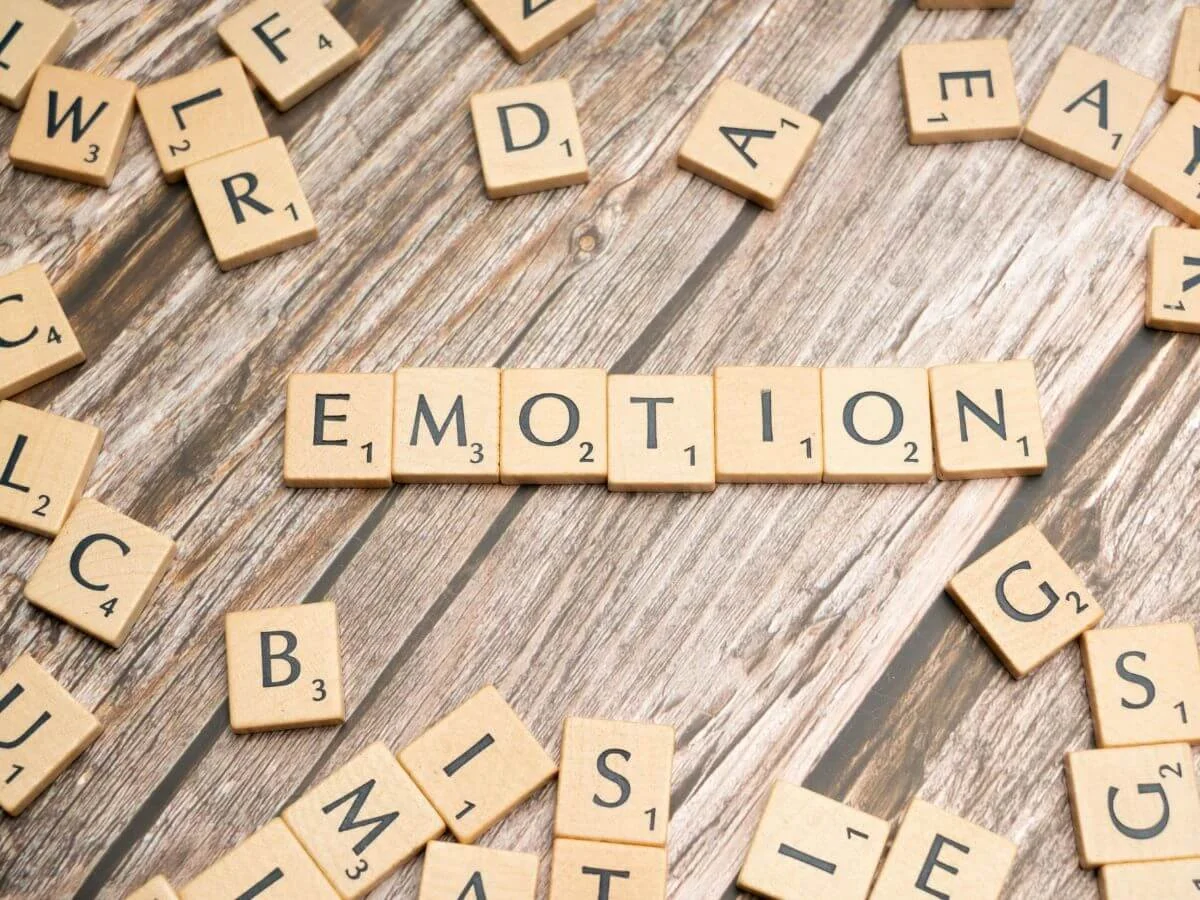
You experience emotions every day. The most basic emotions are: happiness, sadness, anger, fear, and disgust.
Emotions are part of human design.
They are spontaneous reactions; they just happen. You don’t choose to experience them: they are feelings and physical sensations that come over you in response to a stimulus like the actions or the words of someone or a situation.
That is why emotions have no morality in themselves. It is what you do as a result of experiencing an emotion that has morality.
But here is the crucial distinction: you are not your emotions.
You often say:
“I am angry.”
“I am sad.”
“I am hurt.”
But anger is not your identity. Sadness is not your character. Hurt is not your essence.
An emotion is a signal — a physiological and psychological response to something that matters.
God created the human person with emotional capacity. Emotion itself is not sin. However, when emotion overrides discernment, it can lead you to sin.
You may not always control what you feel. But you are responsible for what you do with it.
Knowing how to regulate your emotions protects your freedom to act intentionally.
And freedom is necessary for discipleship.
Why this matters
Emotional regulation is the practical expression of self-denial.
We tend to think of self-denial primarily in terms of giving up material things.
But for a Christian, self-denial is more than that.
It is dying to yourself — decreasing so that Christ may increase (John 3:30). It is no longer you who live, but Christ who lives in you (Gal 2:20). This requires you to be in control of your inner world, allowing the Holy Spirit to guide you rather than your emotions.
For example:
You may feel anger — but you choose restraint.
You may feel fear — but you act anyway despite the fear, choosing courage instead.
You may feel hurt — but you don’t let it push you to retaliation.
Without regulation:
Fear becomes paralysis
Shame becomes avoidance
Anger becomes aggression
Sadness becomes withdrawal
Excitement becomes impulsivity
Happiness becomes indulgence
And gradually, your emotions begin shaping your character more than your believing in Christ does.
Emotional regulation allows you to:
Feel without collapsing
Pause without suppressing
Respond without exploding
Endure without becoming bitter
Remain steady under attack
This is essential for discipleship in every aspect of life: single life, marriage, motherhood, leadership, professional life, public witness, and daily Christian living.
How it impacts your service to God
Jesus experienced emotion:
Sadness (John 11:35 — He wept at Lazarus’ death)
Joy (Luke 10:21 — He rejoiced in the Holy Spirit)
Anger (Mark 3:5 — He looked around at them with anger).
But emotion never ruled Him.
What He did in the temple was not an impulsive reaction driven by emotion; it was deliberate action, fulfilling prophecy (Psalm 69:9).
In the Gospel of John, immediately after this event, Jesus points to His death and resurrection: “Destroy this temple, and in three days I will raise it up” (John 2:19).
Each emotion strengthened His fidelity to the Father.
Emotions can either disrupt your mission or deepen your fidelity.
When something in you can be easily provoked, it can be manipulated. If your emotions dominate you, your service becomes as unstable as your emotions.
You serve God in real situations among real people: misunderstandings, delays, disappointments, criticism, injustice, fatigue, ingratitude.
Emotional regulation makes you:
Steady rather than reactive
Firm without being harsh
Patient without being passive
Courageous without being impulsive
Compassionate without being overwhelmed
It allows grace to work through you because you are not constantly ruled by interior storms. Self-denial becomes possible when emotional impulses do not automatically dictate action.
What this session will help you do
Understand what emotional regulation actually is
Identify your dominant emotional triggers
Recognise your default emotional reactions
Distinguish emotion from behaviour
Build simple practices for strengthening emotional control
Why people may struggle with emotional regulation
Most of us were never intentionally taught how to regulate emotion. As a result, we:
Suppress emotion
Explode and “get it out”
Blame others for how they feel
Spiritualise emotion without examining it
Fear emotion
Others grew up in emotionally unstable environments and learned survival patterns rather than regulation.
Emotional regulation is not automatic with age. It requires formation.
This space offers you an opportunity to build what may have never been intentionally developed so that you become emotionally strong and steady to serve God in your daily life.