
Emotional Regulation

What Emotional Dysregulation Looks Like
Emotional dysregulation can appear as:
Reacting quickly and defending immediately
Self-pity and despair
Justifying instead of examining
Escalating minor inconveniences
Turning everything into a full drama
Running away from difficult conversations
Avoiding your responsibilities
Suppressing until exploding
Becoming cold under pressure
Making decisions to eliminate discomfort rather than pursue truth
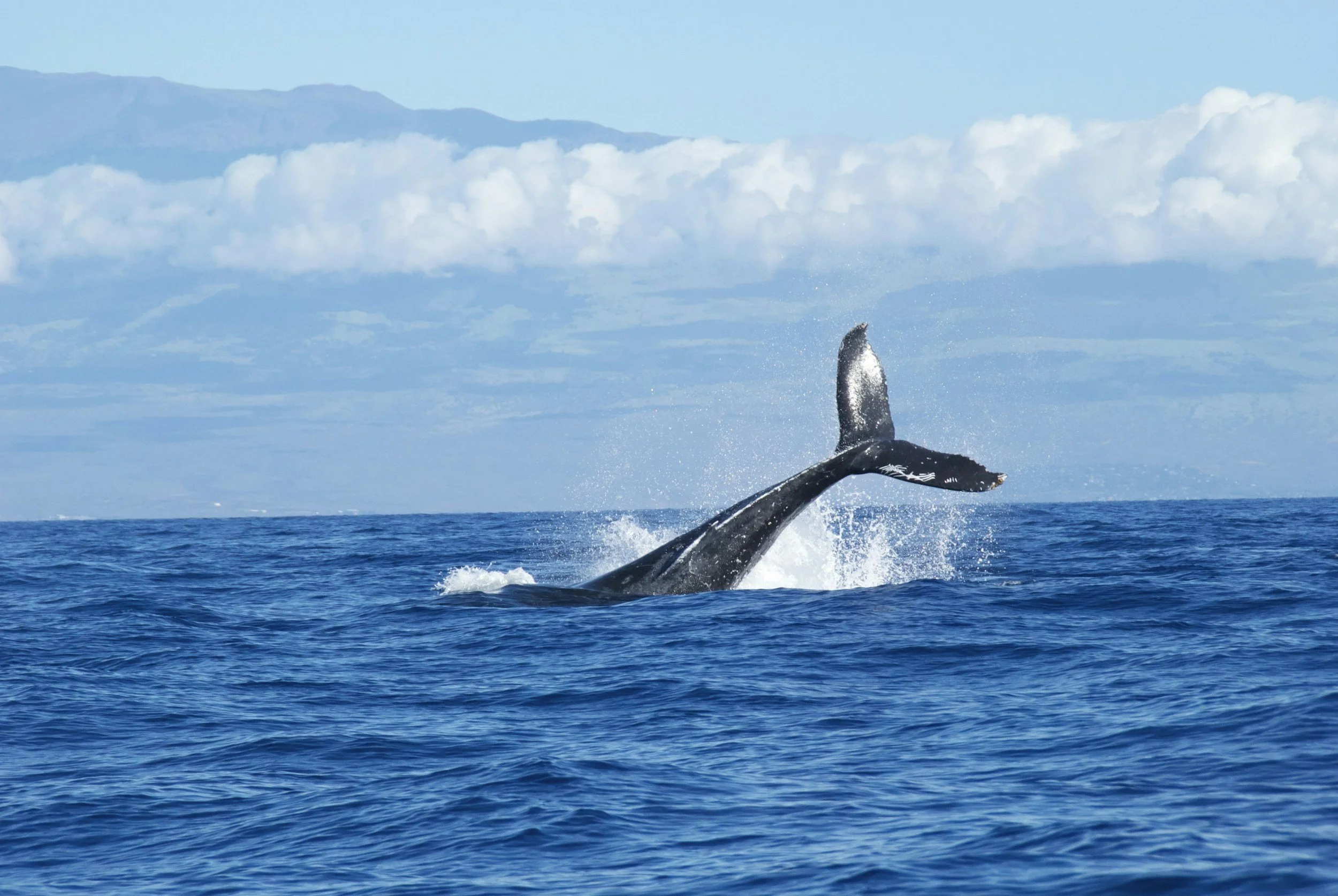
Let us consider the story of Jonah. Although Scripture does not explicitly link it to emotional dysregulation, it illustrates what can happen when emotion governs our response to God’s call. The Bible does not say why Jonah fled, but if we consider common human responses to pressure — fight, flight, freeze, or fawn — Jonah’s reaction clearly resembles flight in the face of fear.
The passage reveals the following patterns:
Avoiding difficult situations: fleeing from the mission (Jonah 1:3)
Justifying instead of examining: Jonah explains why he fled (Jonah 4:2)
Reacting quickly and defending immediately: Jonah becomes angry with God (Jonah 4:1)
Turning everything into a full drama: “O Lord, please take my life from me, for it is better for me to die than to live.” (Jonah 4:3)
Making decisions to eliminate discomfort rather than pursue truth: running away from the mission God gave him.
Jonah illustrates something very human: fear and wounded expectations leading to reactive behaviour rather than reflective obedience.
Jonah’s story shows how unregulated emotion can distort discernment and delay obedience.
Quick question:
Which of the reactions above appears most often in me?
Read the book of Jonah and meditate on the lessons you can take from the story that would support your apostolate.
What Emotional Regulation Looks Like
You feel anger — but do not attack.
You feel hurt — but do not collapse.
You feel anxiety — but do not avoid responsibility.
You feel excitement — but discern major decisions.
You feel criticised — but examine before defending.
Regulation is not emotional absence.
It is self-control, a fruit of the Holy Spirit.
“The fruit of the Spirit is love, joy, peace, patience, kindness, generosity, faithfulness, gentleness, and self-control. Those who belong to Christ Jesus have crucified the flesh with its passions and desires. If we live by the Spirit, let us also be guided by the Spirit.”
Gal 5: 22-25.